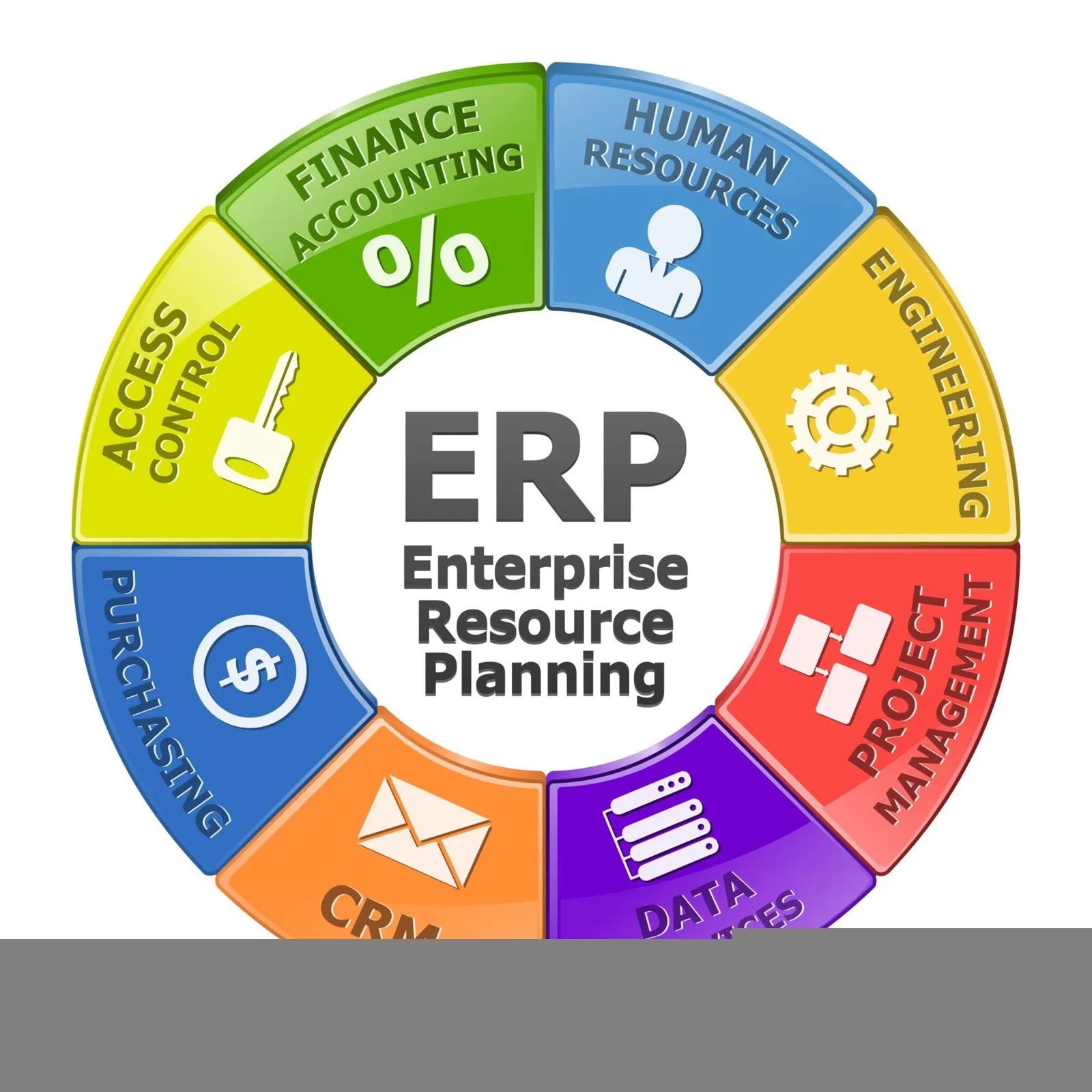
Welcome to the world of business success in the UAE, where ERP software plays a crucial role in streamlining operations and driving growth. From small startups to large enterprises, organizations across the Emirates are recognizing the importance of implementing ERP solutions to improve efficiency, productivity, and profitability. In this fast-paced and competitive market, having the right ERP software can make all the difference in staying ahead of the curve and achieving long-term success. Let’s dive into how ERP software is unlocking new opportunities for businesses in the UAE.
Overview of ERP Software in UAE
ERP software in the UAE has significantly evolved over the years, with the advancement in technology and the increasing use of digital solutions in businesses. Enterprise Resource Planning (ERP) software is a comprehensive tool that integrates and manages all the core processes of a business in real-time. It helps companies streamline their operations, increase efficiency, and make strategic decisions based on accurate data.
In the UAE, ERP software is widely adopted by small, medium, and large enterprises across various industries such as manufacturing, retail, construction, healthcare, and more. With the growing complexity of business operations and the need for faster decision-making processes, businesses in the UAE are turning to ERP software to stay competitive in the market.
One of the key benefits of ERP software in the UAE is its ability to centralize data from different departments such as finance, sales, inventory, and human resources into a single platform. This integration allows for seamless communication between departments, eliminating data silos and promoting collaboration across the organization. With real-time access to critical business information, companies can make informed decisions quickly and adapt to changing market conditions.
Moreover, ERP software in the UAE is designed to automate routine tasks and processes, reducing manual data entry and human errors. This automation not only saves time but also improves the accuracy of data, ensuring that businesses have reliable information for decision-making. In addition, ERP software provides dashboards and reporting tools that offer insights into key performance indicators (KPIs) and help management track the overall performance of the business.
Furthermore, ERP software in the UAE is customizable to fit the specific needs and requirements of each business. Whether it is managing inventory, tracking sales, or optimizing production processes, ERP software can be tailored to meet the unique challenges of different industries. This flexibility allows businesses to scale their ERP system as they grow and adapt to changing market trends.
In conclusion, ERP software in the UAE is a powerful tool that helps businesses streamline their operations, increase efficiency, and make informed decisions based on real-time data. With its ability to centralize data, automate processes, and provide actionable insights, ERP software is essential for businesses looking to stay competitive in a fast-paced market environment.
Benefits of Implementing ERP in UAE Businesses
Implementing ERP software in UAE businesses can bring numerous benefits to organizations of all sizes. From improving operational efficiency to enhancing decision-making capabilities, the advantages of ERP systems are significant. Here are some key benefits of implementing ERP in UAE businesses:
1. Streamlined Processes: One of the main benefits of ERP software is its ability to streamline business processes. By integrating various functions and departments within an organization, ERP systems can eliminate manual tasks, reduce duplication of efforts, and improve overall efficiency. In the UAE, where businesses are constantly looking for ways to optimize their operations, the streamlined processes offered by ERP software can be a game-changer.
2. Enhanced Data Visibility: With the implementation of ERP software, UAE businesses can gain better visibility into their data. By consolidating information from different departments into a single platform, ERP systems provide real-time access to critical business data. This enhanced data visibility allows organizations to make informed decisions, identify trends, and spot opportunities for growth. In a rapidly evolving market like the UAE, having access to accurate and up-to-date information is crucial for staying ahead of the competition.
3. Improved Collaboration: ERP software fosters collaboration among different departments within an organization. By providing a centralized platform for sharing information and communicating effectively, ERP systems can break down silos and promote cross-functional teamwork. In the UAE, where businesses often operate in a diverse and multicultural environment, the improved collaboration facilitated by ERP software can lead to better coordination and faster decision-making.
4. Enhanced Reporting and Analysis: Another key benefit of implementing ERP in UAE businesses is the ability to generate advanced reports and analysis. ERP systems can provide customizable dashboards, real-time analytics, and forecasting tools that enable organizations to track performance metrics, monitor KPIs, and forecast future trends. With improved reporting capabilities, businesses in the UAE can make data-driven decisions, identify areas for improvement, and optimize their processes for better results.
5. Scalability and Flexibility: ERP software is designed to be scalable and flexible, allowing businesses to adapt to changing market conditions and evolving business needs. In the UAE, where industries are constantly evolving and expanding, the scalability and flexibility of ERP systems can help organizations grow and thrive. Whether a business is looking to expand its operations, enter new markets, or diversify its product offerings, ERP software can provide the necessary tools and support for success.
6. Cost Savings: By streamlining processes, improving efficiency, and reducing manual tasks, ERP software can help UAE businesses save costs in the long run. With enhanced data visibility, improved collaboration, and advanced reporting capabilities, organizations can make smarter decisions, optimize resources, and reduce operational expenses. In a competitive market like the UAE, where cost management is crucial for sustainability and growth, the cost savings offered by ERP software can make a significant impact on the bottom line.
Overall, implementing ERP software in UAE businesses can deliver a wide range of benefits, from improving operational efficiency to enhancing decision-making capabilities. With streamlined processes, enhanced data visibility, improved collaboration, advanced reporting and analysis, scalability and flexibility, and cost savings, ERP systems offer a comprehensive solution for organizations looking to stay competitive and succeed in the dynamic business environment of the UAE.
Top ERP Software Providers in UAE
When it comes to ERP software providers in the UAE, there are several top contenders that stand out in the market. These companies offer a wide range of ERP solutions tailored to the specific needs of businesses operating in the UAE. Let’s take a closer look at three of the top ERP software providers in the UAE:
1. SAP: SAP is a global leader in ERP solutions, and they have a strong presence in the UAE market. Their ERP software is known for its robust features and scalability, making it an ideal choice for both small businesses and large enterprises. SAP offers a wide range of modules, including finance, sales, inventory management, and human resources, to help businesses streamline their operations and improve their overall efficiency.
2. Oracle: Another top ERP software provider in the UAE is Oracle. Oracle’s ERP solutions are known for their cloud-based platform, which offers businesses the flexibility and scalability they need to adapt to changing market conditions. Oracle’s ERP software includes modules for finance, supply chain management, procurement, and project management, among others. With Oracle’s ERP software, businesses in the UAE can streamline their processes, reduce costs, and improve their overall productivity.
3. Microsoft Dynamics 365: Microsoft Dynamics 365 is another popular choice for businesses in the UAE looking for an ERP solution. With its seamless integration with Microsoft Office 365, Dynamics 365 offers businesses a familiar user interface and easy access to all their business data in one place. Microsoft Dynamics 365 includes modules for sales, marketing, customer service, finance, and operations, making it a comprehensive ERP solution for businesses of all sizes.
Overall, when it comes to ERP software providers in the UAE, these three companies stand out for their robust solutions, scalability, and ease of use. Whether you are a small business looking to streamline your operations or a large enterprise in need of a comprehensive ERP solution, SAP, Oracle, and Microsoft Dynamics 365 have you covered.
Challenges of ERP Implementation in UAE
Implementing an ERP software in UAE can come with its fair share of challenges. The unique business landscape of the region combined with cultural differences and government regulations can make the implementation process complex. Here are some of the main challenges faced by companies when implementing ERP software in UAE:
1. Cultural Differences: UAE is a melting pot of cultures with a large expatriate population. This diversity can pose a challenge when implementing ERP software as different employees may have varying levels of comfort and familiarity with technology. It is important for companies to provide adequate training and support to ensure that all employees are on board with the new system.
2. Government Regulations: The UAE has strict regulations when it comes to data privacy and security. Companies implementing ERP software need to ensure that the system complies with local laws and regulations. This may require additional customization and configuration to meet the specific requirements of the UAE market.
3. Integration with Existing Systems: Many companies in UAE already have existing systems in place for different functions such as finance, HR, and inventory management. Integrating these systems with a new ERP software can be a complex process that requires careful planning and coordination. Companies need to ensure that the new system seamlessly integrates with existing systems to avoid any disruptions to day-to-day operations.
4. Limited IT Resources: One of the biggest challenges companies face when implementing ERP software in UAE is a lack of IT resources. Many companies in the region may not have a dedicated IT department or staff with IT expertise. This can make it difficult to properly manage and maintain the ERP system post-implementation. Companies may need to consider outsourcing IT support or training existing employees to handle the system.
Overall, implementing ERP software in UAE requires careful planning, clear communication, and buy-in from all levels of the organization. By addressing these challenges head-on, companies can ensure a successful ERP implementation that drives efficiency and growth in their business.
Future Trends in ERP Software for UAE Companies
ERP software in the UAE is constantly evolving to meet the changing needs of businesses in the region. As technology continues to advance, there are several key future trends that are expected to shape the ERP software landscape for UAE companies.
1. Cloud-Based Solutions: One of the biggest trends in ERP software for UAE companies is the shift towards cloud-based solutions. Cloud ERP software offers greater flexibility, scalability, and accessibility for businesses, allowing them to access their data and applications from anywhere with an internet connection. This trend is expected to continue as more companies in the UAE embrace digital transformation and move towards a more agile and connected business environment.
2. Artificial Intelligence and Machine Learning: Another key trend in ERP software for UAE companies is the integration of artificial intelligence and machine learning capabilities. These technologies can help automate routine tasks, improve decision-making processes, and provide valuable insights into business performance. As AI and machine learning continue to advance, we can expect to see more intelligent ERP solutions that can analyze data in real-time, predict trends, and optimize business processes.
3. Internet of Things (IoT) Integration: The Internet of Things is another trend that is expected to have a significant impact on ERP software for UAE companies. IoT devices can collect vast amounts of data from various sources, such as sensors, machines, and vehicles, which can be integrated into ERP systems to provide real-time insights and improve operational efficiency. With the growing number of connected devices in the UAE, integrating IoT data into ERP software will become increasingly important for companies looking to stay competitive in the market.
4. Mobile Applications: Mobile ERP applications are becoming more popular among UAE companies as employees increasingly rely on smartphones and tablets for work. Mobile ERP solutions allow employees to access key data and perform tasks on the go, improving productivity and collaboration within the organization. In the future, we can expect to see more mobile-friendly features and functionalities in ERP software designed specifically for the UAE market.
5. Blockchain Technology: One of the most exciting future trends in ERP software for UAE companies is the integration of blockchain technology. Blockchain has the potential to revolutionize how businesses manage their transactions and data, providing greater transparency, security, and efficiency. By using blockchain technology, UAE companies can ensure the authenticity and integrity of their data, streamline processes, and reduce the risk of fraud or cyber attacks. As blockchain continues to gain momentum in the business world, we can expect to see more ERP software solutions that leverage this technology to drive innovation and transformation in the UAE.
Originally posted 2025-08-12 16:00:00.